The section that needs a garage or a driveway
Everything here trades space for a kind of training the rest of the site cannot give you: real power output, loaded movement, and high-intensity work with no eccentric damage. Plyo boxes, sleds, battle ropes, agility ladders and weighted vests all want more room than an apartment has, and in exchange they do things a rope and a bar cannot.
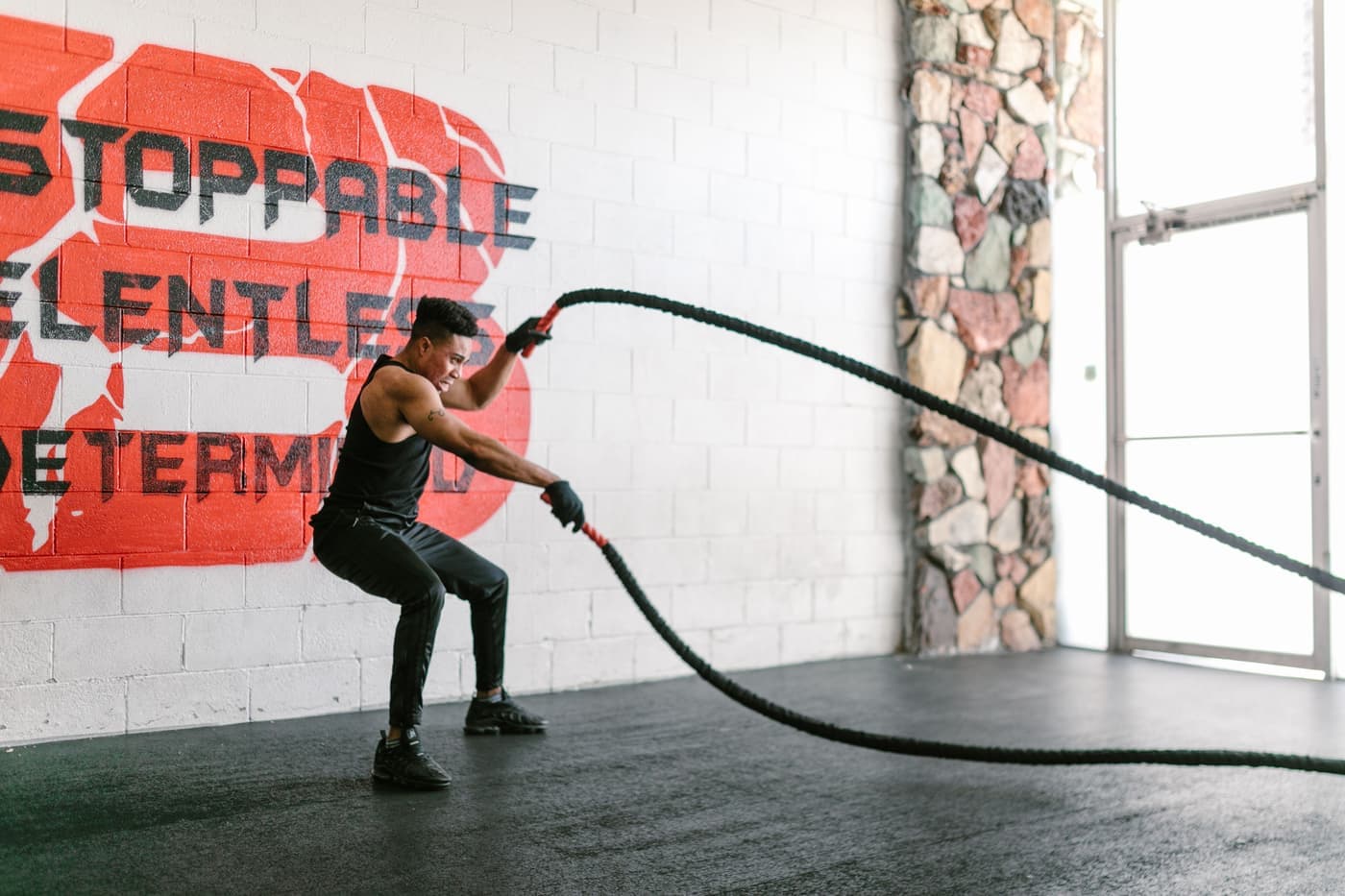
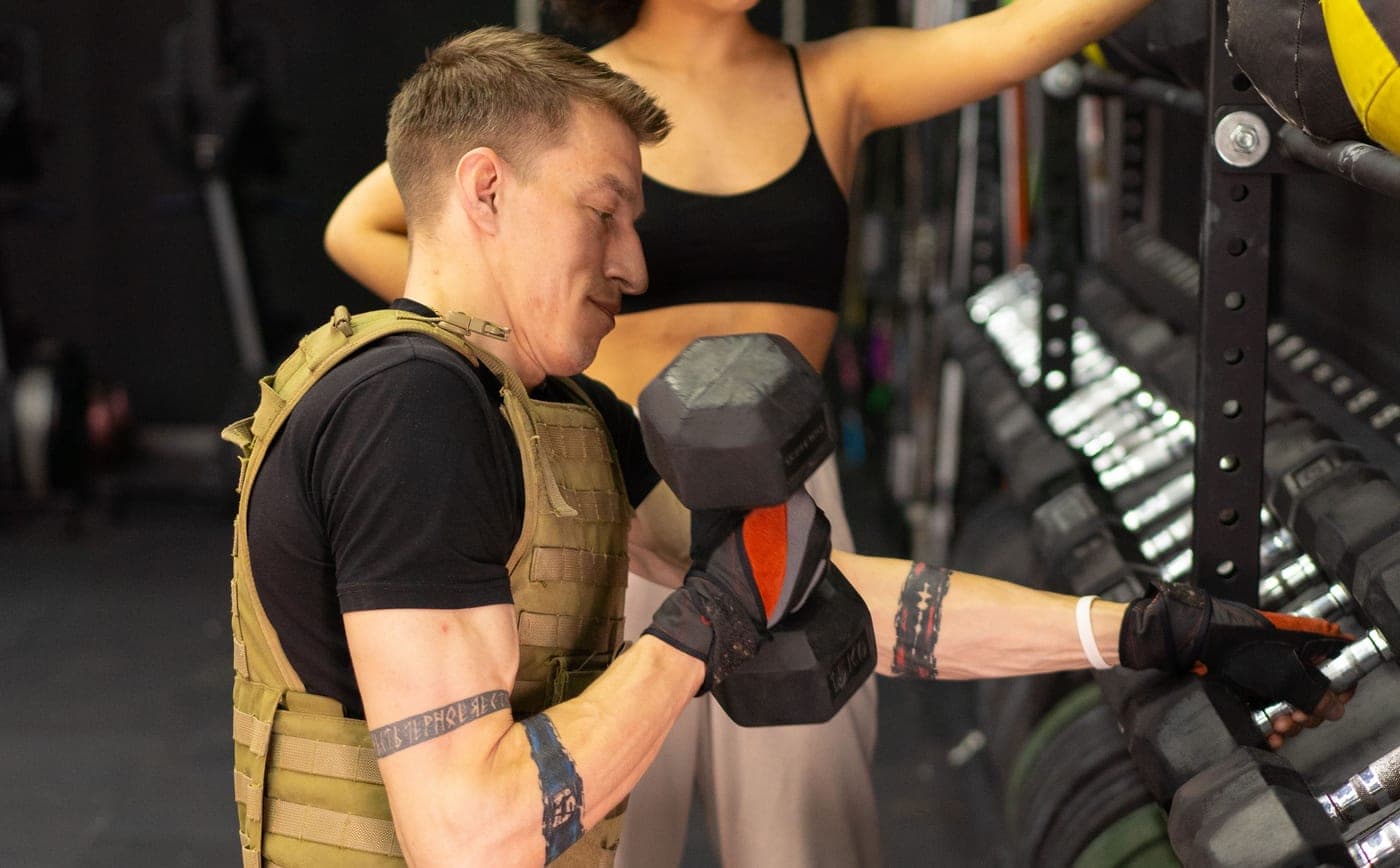
Two of the five are the exception worth knowing about. Battle ropes produce a heart rate normally reserved for sprinting with zero impact and no landing — if you can anchor them, they are the quietest hard conditioning in existence. Weighted vests take no floor space at all and turn an existing pull-up bar into a strength tool. The other three need a driveway or a garage bay.
What to buy first
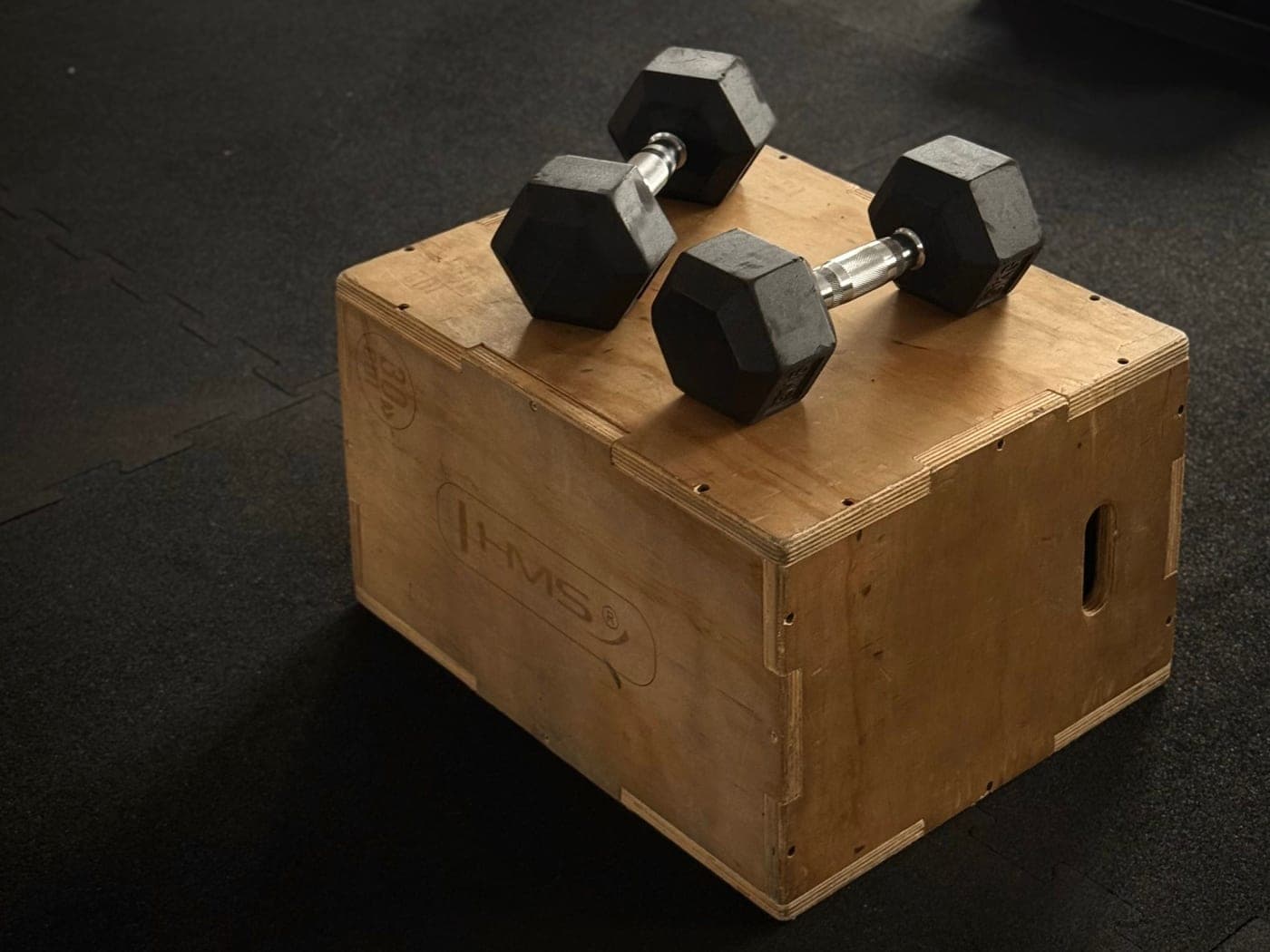
A plyo box, for most people. It is the most versatile object per square foot anywhere in home training: jumps, step-ups, box squats, elevated push-ups, dips off the edge, a bench when you need one, and a surface to put things on the rest of the week. Soft-sided boxes are the right call on concrete, because a missed jump on a wooden edge takes skin off a shin and people miss jumps. Foam vs wood is the argument in full and sizing is the follow-up.
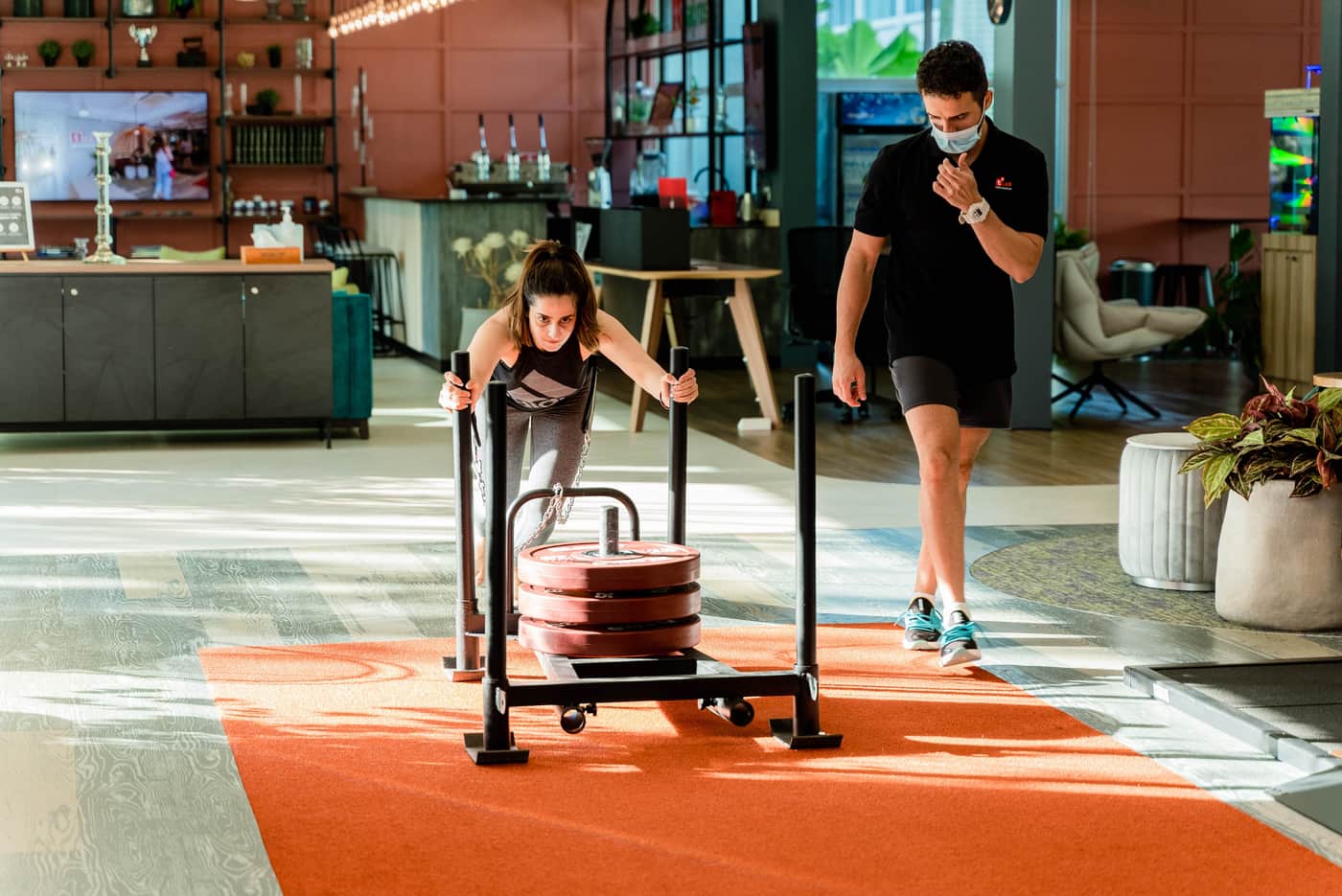
A sled is the second purchase and the one people underrate. Pushing and dragging build legs and lungs with almost no eccentric load, which means minimal soreness and sessions you can repeat often. The one thing to check before buying is the surface: steel skids wear fast and loudly on concrete, which is why concrete vs grass is the first page to read in that category.
What decides the price
Plyo boxes: construction and edge treatment. A three-in-one box that gives you three heights from one object is worth more than a single-height box, and stitched foam with a firm core beats soft foam that compresses under a heavy landing. Sleds: the base material and the post height — low posts for drags and pushes near the ground, high posts for upright pushes, and plastic bases for hard surfaces. Battle ropes: length and diameter, which together determine both the difficulty and how much space you need; a 50 foot rope folded in half needs 25 feet of run. Vests: how the load sits. A slim vest with distributed shot stays tight to the chest on a pull-up; a bulky plate vest swings into your chin at the top of the rep.
Space, honestly
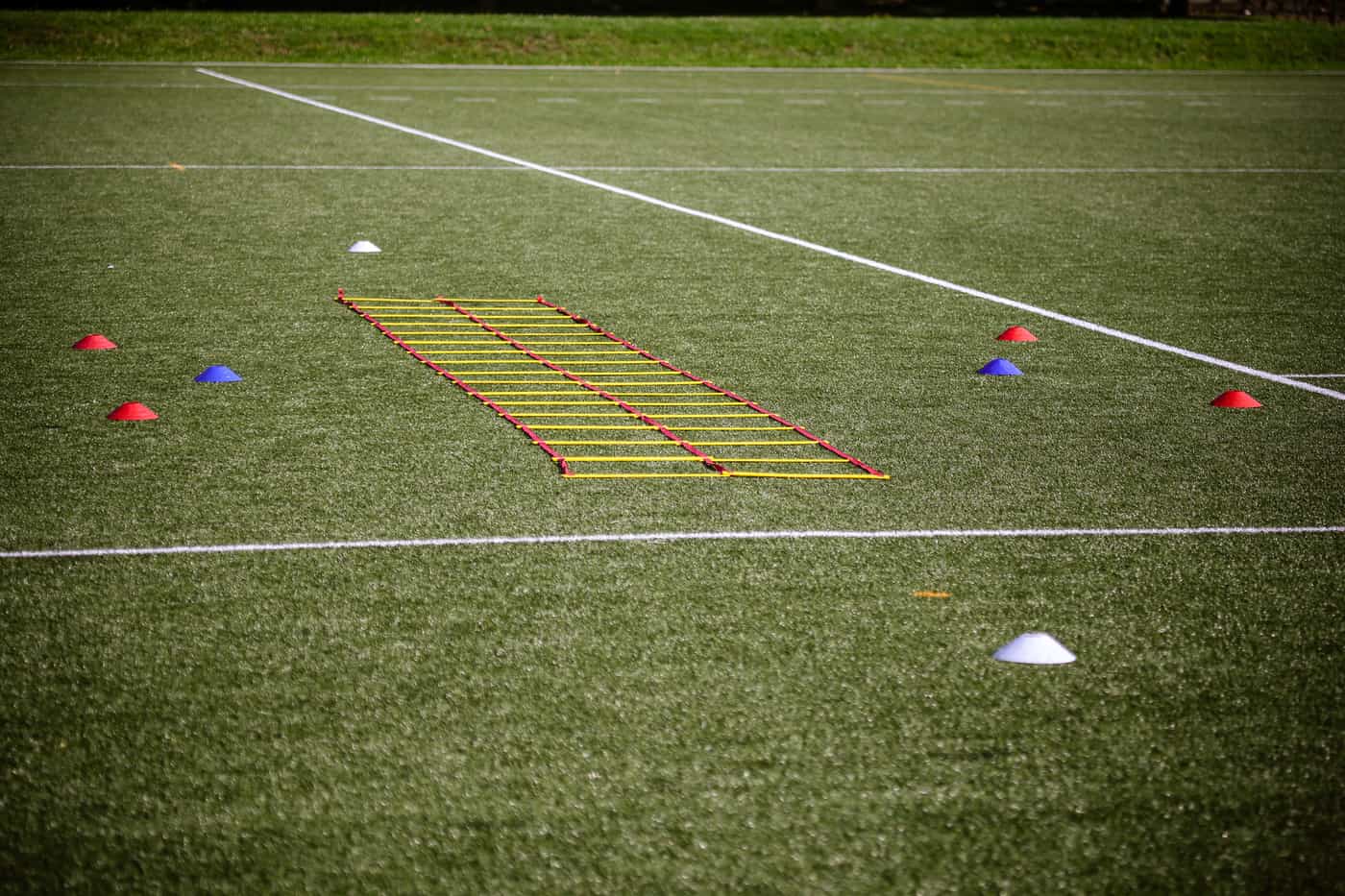
A plyo box needs about six by six feet to use safely. A sled needs a 20 to 30 yard run — a driveway, a strip of grass, a quiet street. Battle ropes need half their length plus room to stand, and an anchor that will not move: the anchor guide covers what works and what tears out of drywall. An agility ladder needs 15 to 20 feet of flat ground. If none of those numbers describe your situation, the jump rope section is where the apartment-sized conditioning lives.
Buying for the weather you actually have
Most of this section lives outside or in an unheated garage, and that shortens the life of some materials badly. Rubber and latex stiffen and crack in the cold, which is why battle rope sleeves, band sets and jump rope cables should overwinter indoors. Foam plyo boxes left in a damp garage will absorb moisture through a split seam and never fully dry. Steel sled frames handle everything but will surface-rust where the coating has been scraped off by concrete — a minute with a wire brush and some paint once a season is the whole maintenance schedule.
If you train outside year-round, that biases the whole section toward a sled and a vest — both of which are essentially weatherproof — and away from foam and fabric.
The mistake to avoid
Loading the sled like it is a leg press. Sled work is done at speed; if the weight slows you to a grind you are training something else and getting less out of the session. How much to load it gives starting numbers by surface and bodyweight, because the same weight on turf and on concrete are completely different exercises.