Why rings are the best value in home training
A pair of gymnastic rings weighs about two pounds, packs into a bag, and replaces a dip station, a row handle, a suspension trainer and a good part of a chest press. Nothing else on this site does that. The reason is the rotating grip: because the ring turns freely, your wrist and shoulder find their own path through every rep, which is why people whose shoulders complain about bar dips are often fine on rings.
The catch is that rings need somewhere to hang. A doorway pull-up bar, an exposed joist, a garage beam, a sturdy branch — any of those work, and how to hang them at home covers the height and strap length each needs. If the honest answer is nowhere, this section's dip bars and parallettes are the floor-based alternatives.
How the section divides
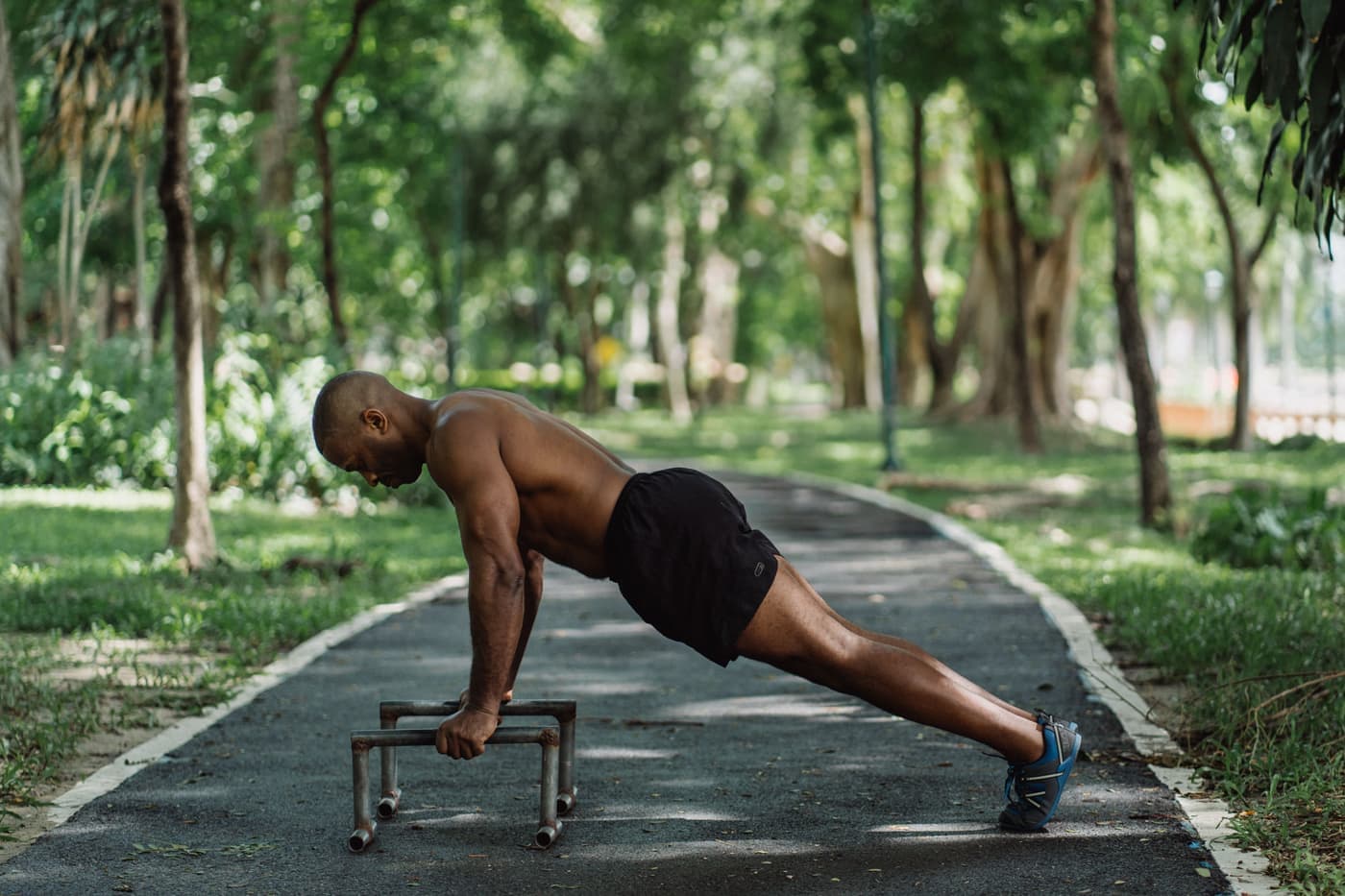
Rings hang and do everything — pull-ups, rows, dips, support holds, ring push-ups, the muscle-up path. Dip bars sit on the floor at hip height and come in two forms: independent pairs that nest together to store, and connected stations rigid enough for weighted dips. Parallettes are the low version — a few inches off the floor — and they exist for deep push-ups, L-sits, handstand work and anyone whose wrists want a neutral grip. Most home setups end up with rings plus one of the other two.
Wood or plastic
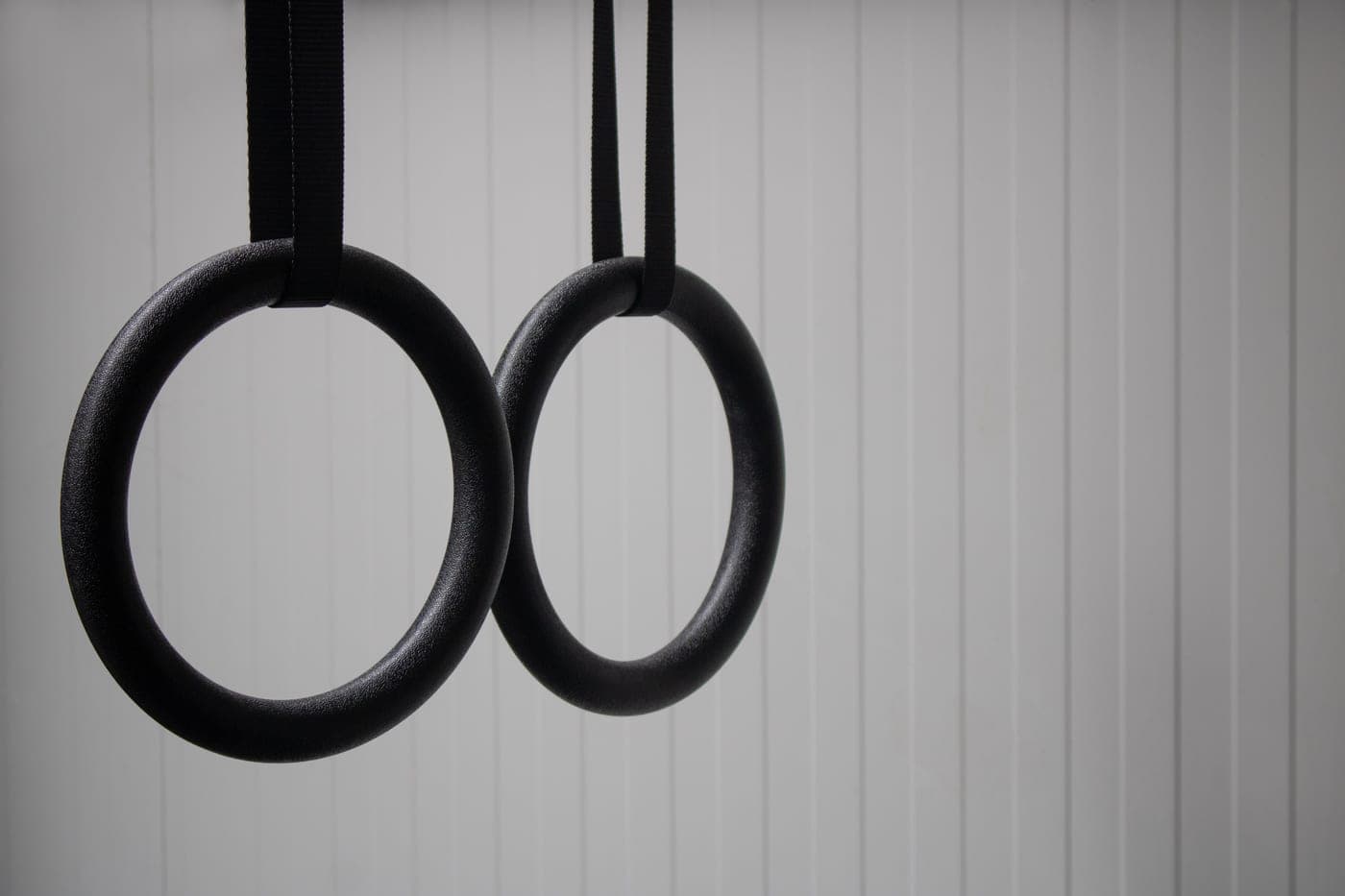
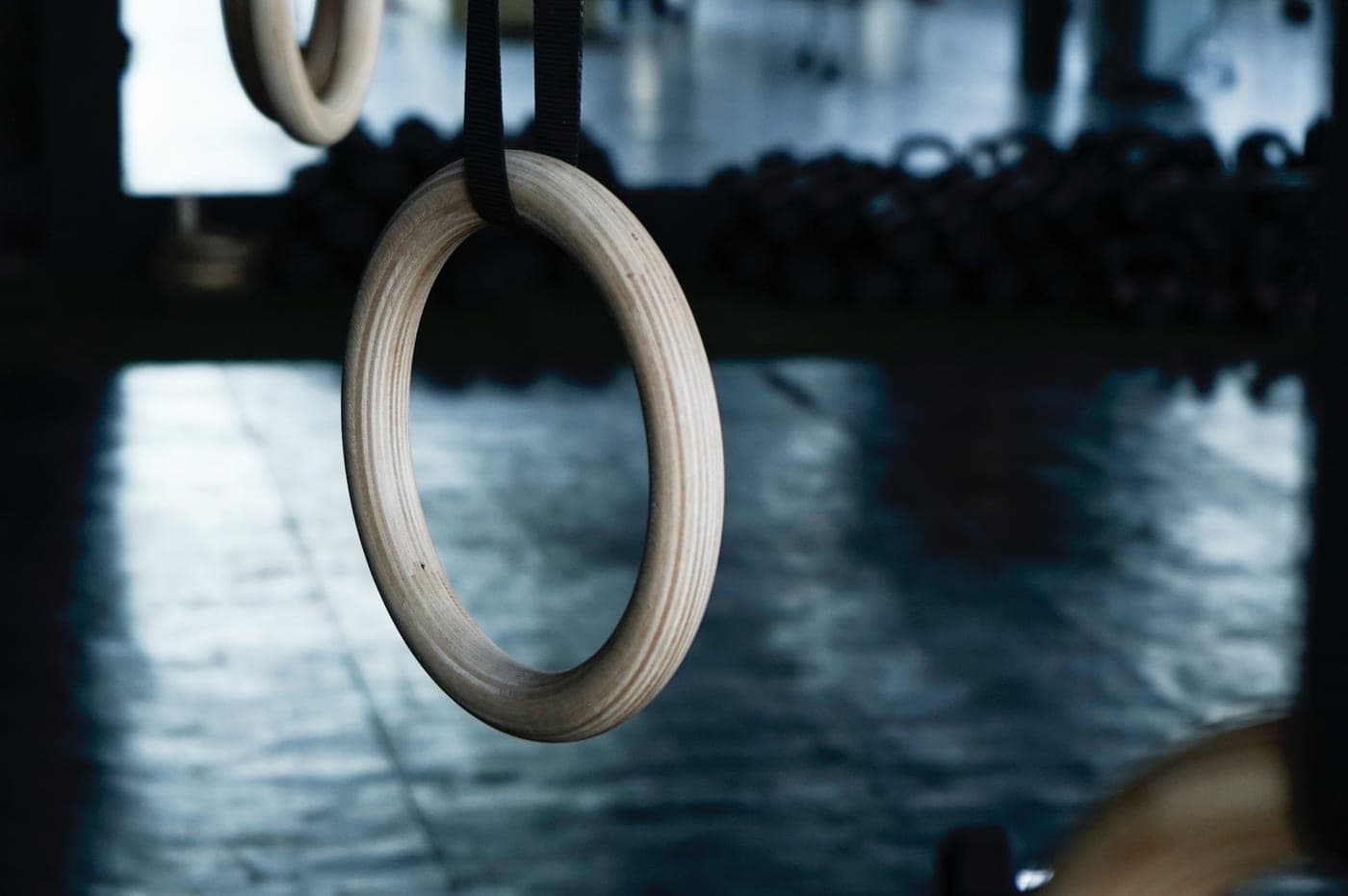
This is the first question everyone asks and it matters more than it sounds. Wood grips better as your hands get sweaty, takes chalk, and is noticeably more comfortable for long support holds and for a false grip. Plastic is cheaper, survives being left outside, and is completely fine for rows, dips and general strength work. If you intend to work toward a muscle-up, buy wood — a false grip on a wet plastic ring slides, and that is not a problem technique solves. The full comparison covers diameter, chalk and outdoor storage.
What decides the price
Ring material and diameter — birch plywood rings at the standard 1.25 inch grip cost more than plastic and are what most people prefer. The strap and buckle — length (15 feet is the useful standard), webbing width, and whether the buckle actually holds under load without creeping. A cheap buckle that slips a quarter inch per set is the most common real defect in this category. Numbered straps, which sound like a gimmick until you have set both rings to exactly the same height in five seconds rather than two minutes.
On dip bars, the price buys rigidity and adjustment: a connected station that does not splay under a weighted dip, height settings that fit a tall or short user, and — rarely — adjustable width, which is the spec that decides whether dips are comfortable for your shoulders.
How high to hang them
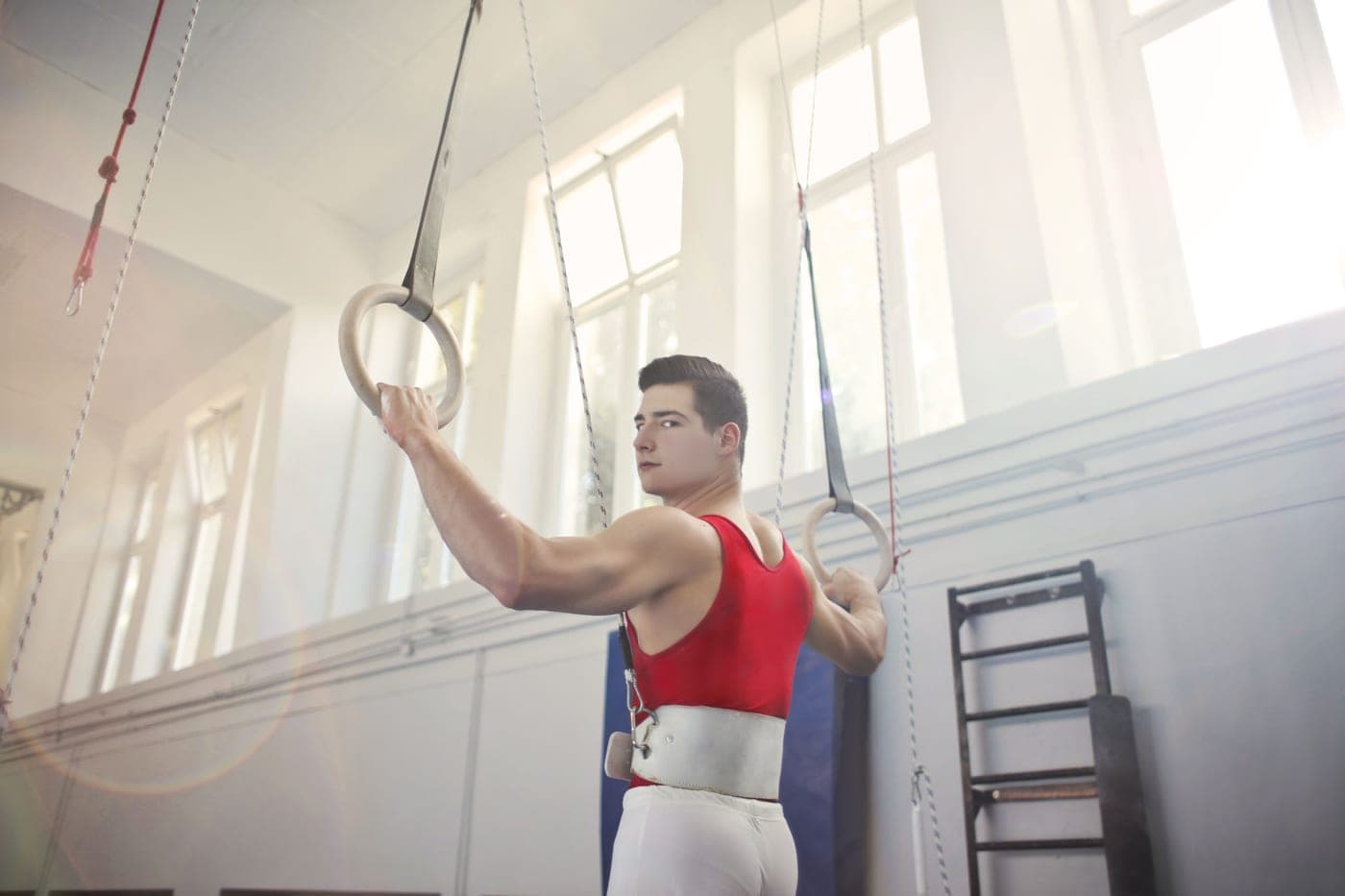
There is no single answer, because ring height changes with the exercise, and that is the point of straps. Rows want the rings at roughly hip to chest height so you can set the difficulty with your feet. Dips and support holds want them just above hip height, so you can bail by standing up. Pull-ups and muscle-up work want them high enough that your feet clear the floor with straight arms. Fifteen-foot straps cover all three under any normal ceiling; what matters is that adjusting between them takes seconds rather than a re-rig.
Two feet of width between the rings is the default — roughly shoulder width plus a little. Wider feels unstable on dips; narrower crowds your ribs. If you are hanging from a single doorway bar, that spacing is set by where the straps sit on the bar, so mark it once and leave it.
The common mistake
Starting too hard. Rings are unstable by design, and that instability is the training effect — but it also means a beginner who can do ten push-ups on the floor may struggle with three on rings. The scaling is your feet: rows with the feet forward, push-ups with the rings high, dips with a foot on the ground. Rings for beginners is the ramp, and it is worth following rather than improvising.