The plans the gear exists for
Every other section of this site answers “what should I buy.” This one answers “what do I do with it,” which is the question that actually decides whether the purchase was worth it. The pages here fall into three groups: progressions (first pull-up, pull-up ladder, muscle-up), setups (apartment, garage), and plans for a specific target — currently the Marine Corps PFT.
Start with the progression, not the program
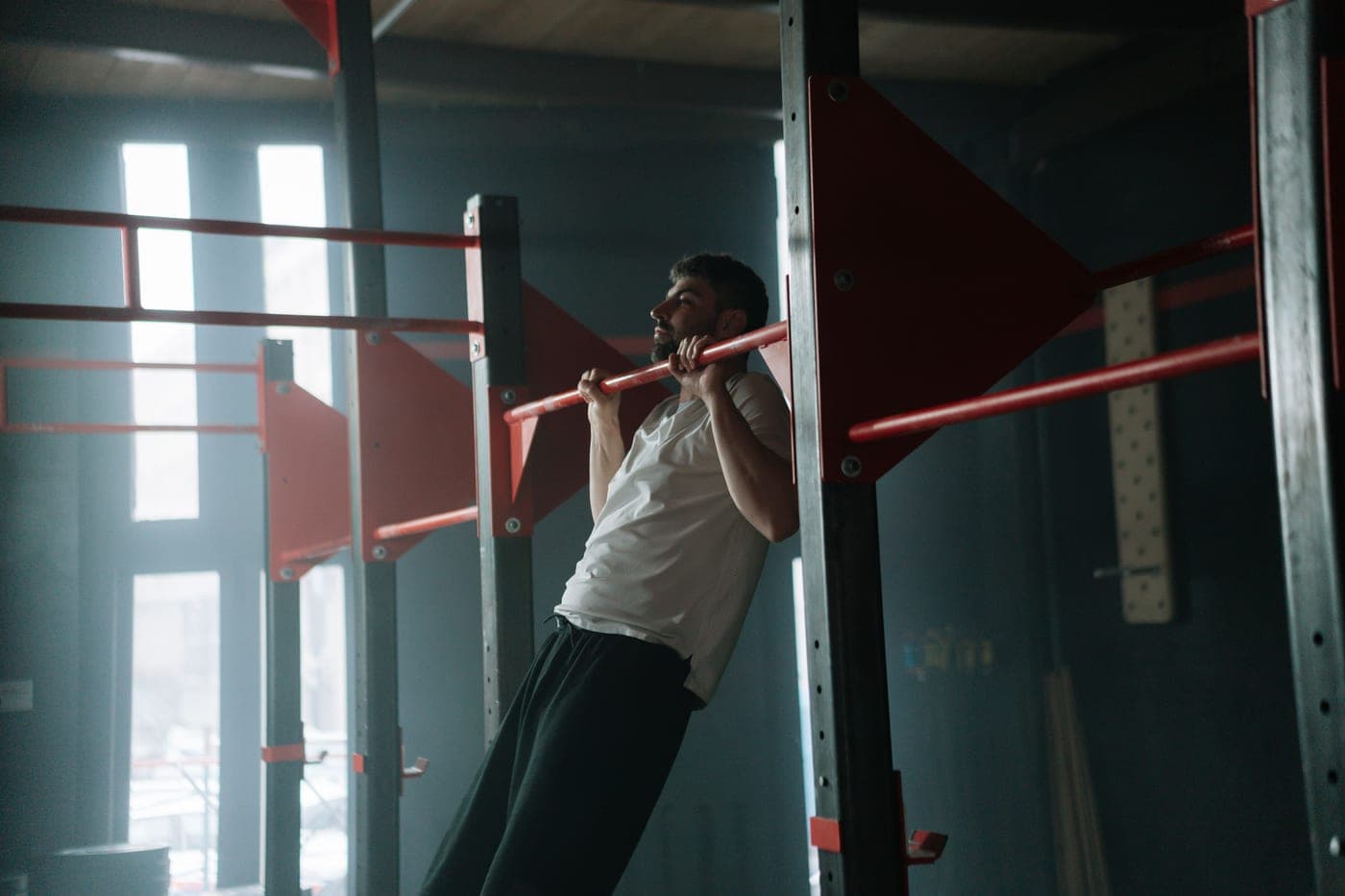
Almost everyone arriving at home training has the same first goal, and it is a pull-up. It is worth understanding why it is hard: a pull-up fails at the grip, at the shoulder, or at the pull, and most people train only the third. The plan in how to get your first pull-up spends its first two weeks on hangs for exactly that reason, then uses negatives — where almost everyone can control more weight than they can lift — before it spends any effort on assisted reps.
After the first rep the problem changes completely, which is why the progression page is separate: one to three reps wants frequency, three to six wants cluster sets, six to ten wants straight sets plus a banded back-off, and past ten you stop adding reps and start adding weight. Running the wrong scheme for your stage is the most common reason people stall at five.
Setups: the constraint decides the kit
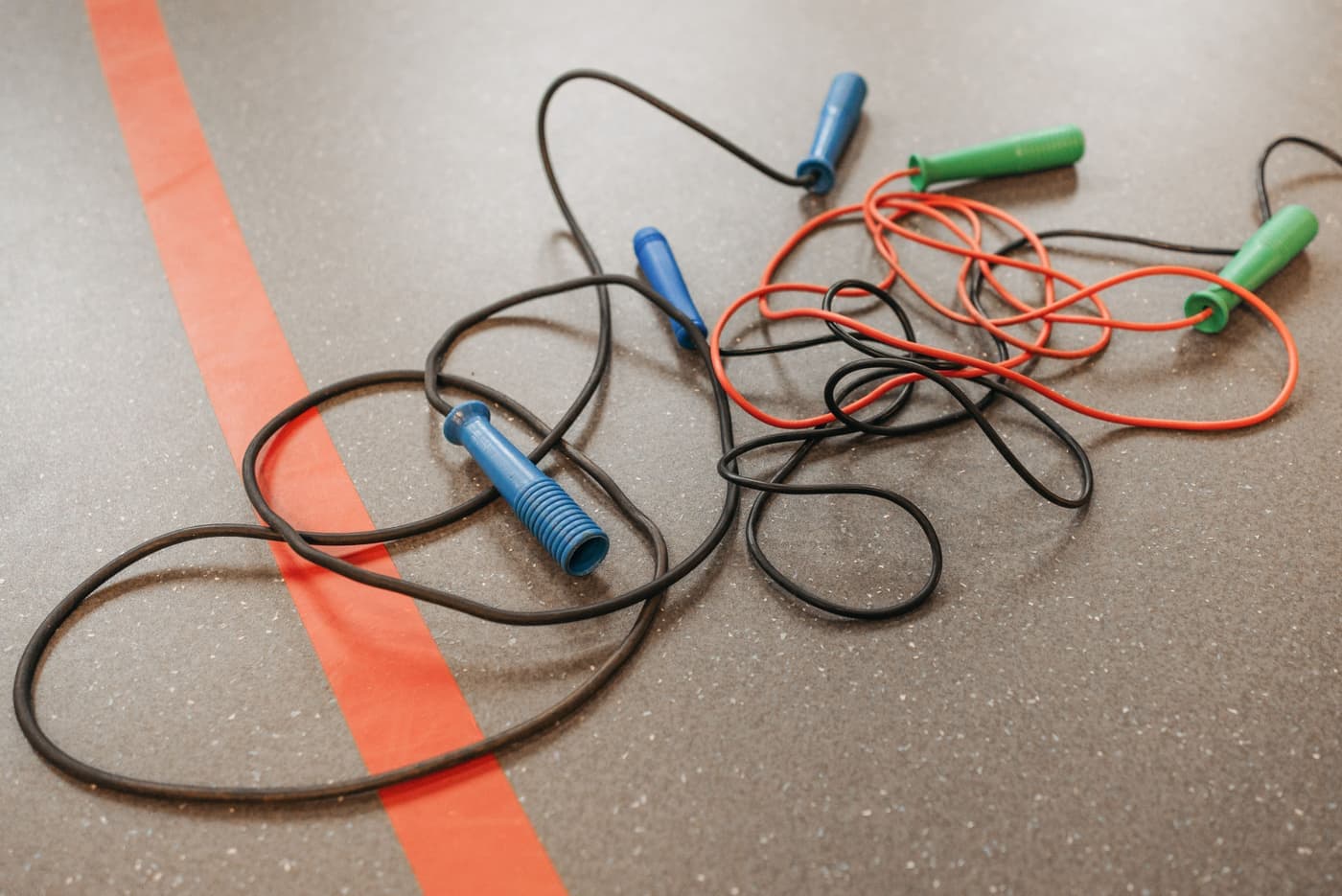
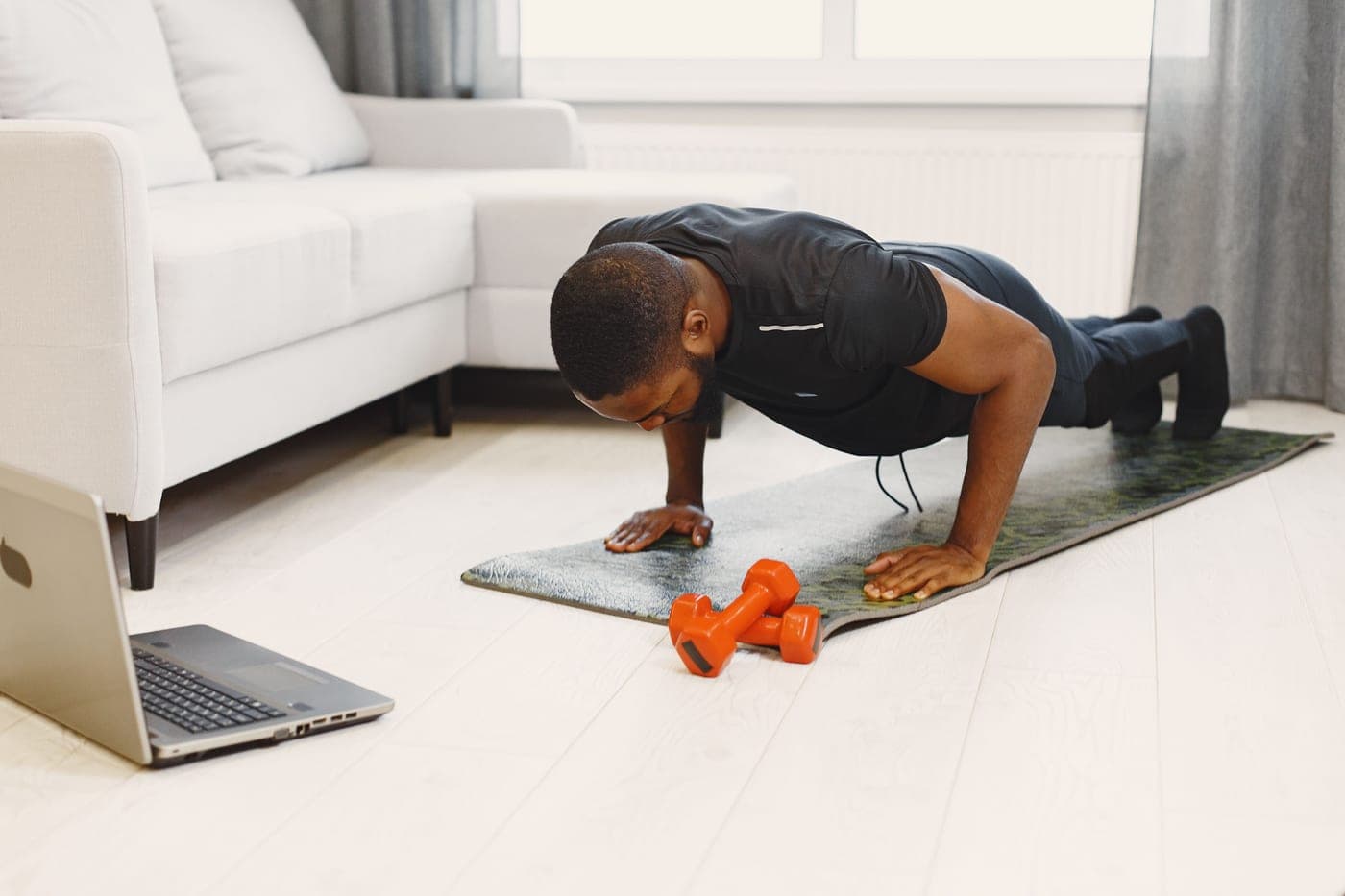
The two setup guides here are genuinely different builds, not variations. An apartment setup is shaped by four constraints — whether you can drill, ceiling height, who lives below you, and where it all goes when you are not training — and the answer is a no-screw bar, a mat, one kettlebell and a rope in about six by four feet. A garage hands you a drillable wall, a droppable floor and a driveway, and the sensible kit changes to a bolted bar, a plyo box, a sled and bells.
Both guides put the buying order before the product list, because the usual failure in home training is not buying the wrong thing — it is buying the fifth thing before the first one has been used a hundred times.
Training for the PFT
The Marine Corps pages here are deliberately split in two. The standards page publishes only what the Marine Corps itself publishes — the Initial Strength Test minimums and the events on the PFT and CFT — and points at MCO 6100.13A for the scoring tables rather than reprinting numbers we could not verify against the order. The prep plan is our own training content: twelve weeks of pull-up volume, plank progression and a run build, with a taper into test week.
Gifts
The two gift guides live in this section rather than in a hub of their own, because buying for someone who trains is a training question before it is a shopping one — the useful gift is the piece one step past what they already own. The main guide is built around avoiding size guesses and mounting assumptions; the budget page is organized by the categories where a small budget genuinely buys a good object, and names the three where it does not.
What these plans have in common
Three things, and they are the reason they are grouped together rather than scattered across the gear sections. They prescribe volume, not just exercises — sets, reps, rest and how often, because “do pull-ups” is not a plan. They have a rule for when to progress, stated as a condition you can test rather than a feeling: hit the top of the range on every set twice in a row, drop the band, add the weight. And they stop short of failure almost everywhere, because a home program survives on being repeatable, not on being impressive once.
None of them assume a gym, a coach or a spotter, and none of them require more than the five pieces of equipment the roundup in this section recommends.
How to use this section
If you own nothing: read the equipment roundup, then the setup guide that matches your space. If you own a bar and want a goal: start at the first pull-up, then the progression. If you have a test date: the PFT plan, with the standards page open beside it.