What to buy first
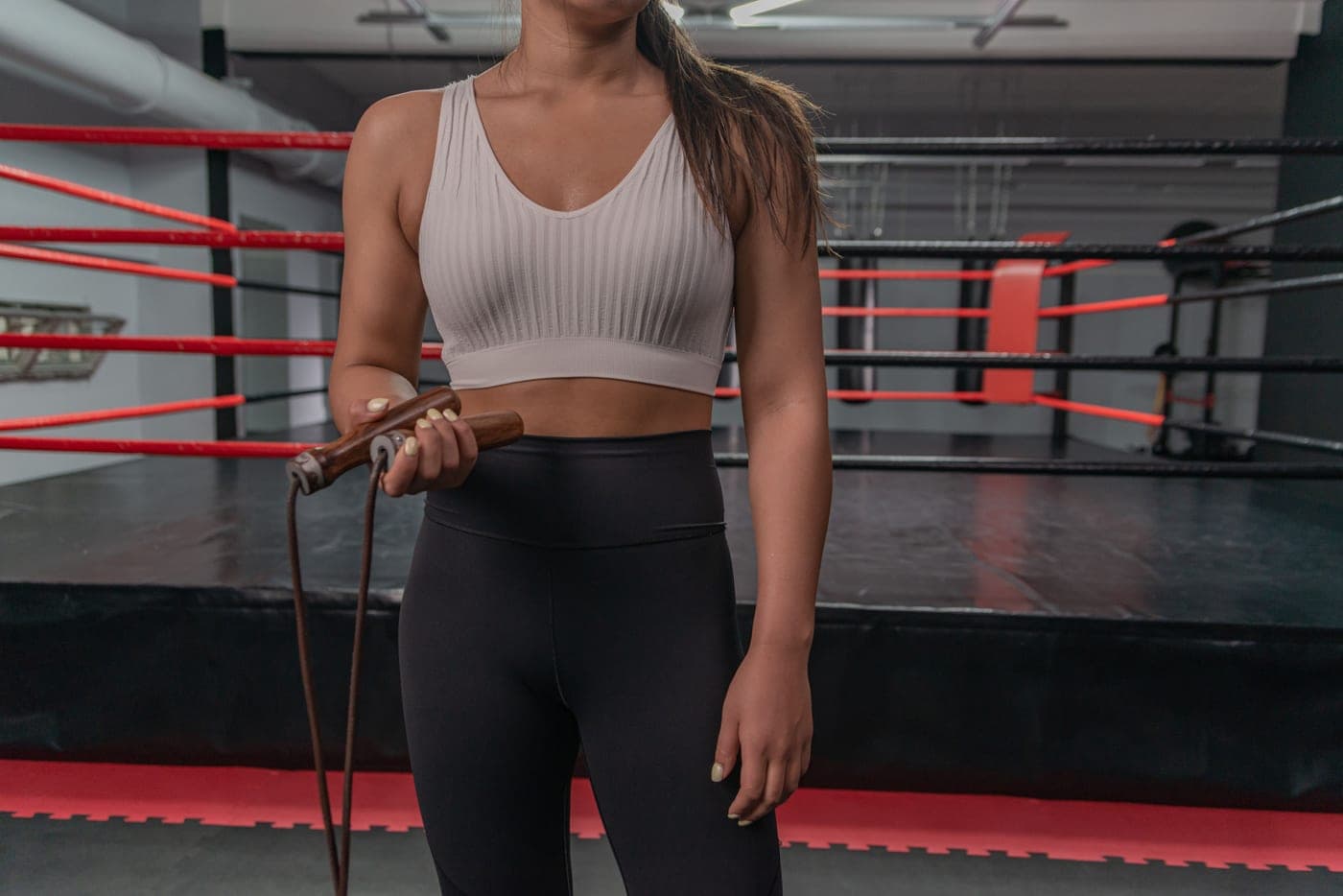
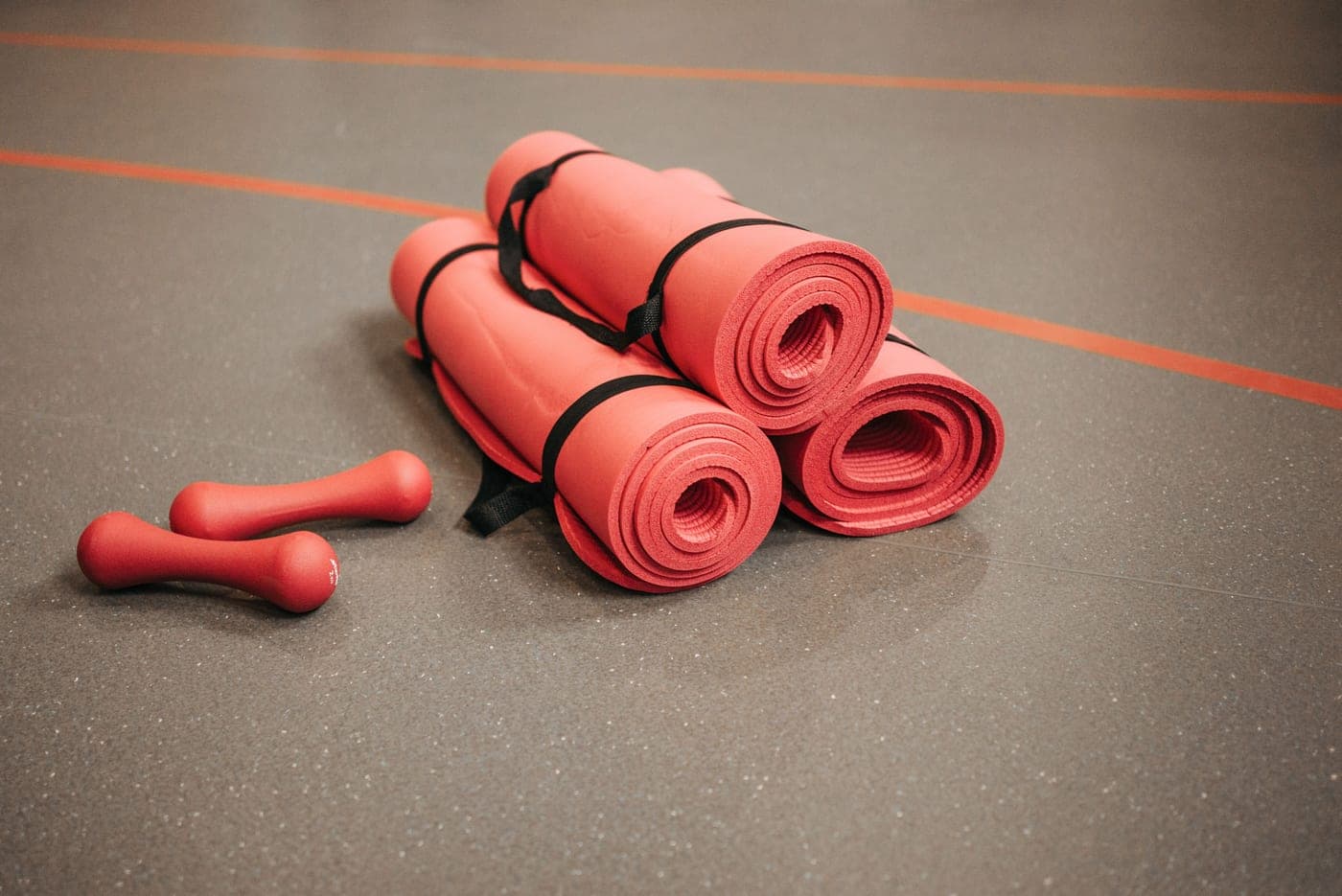
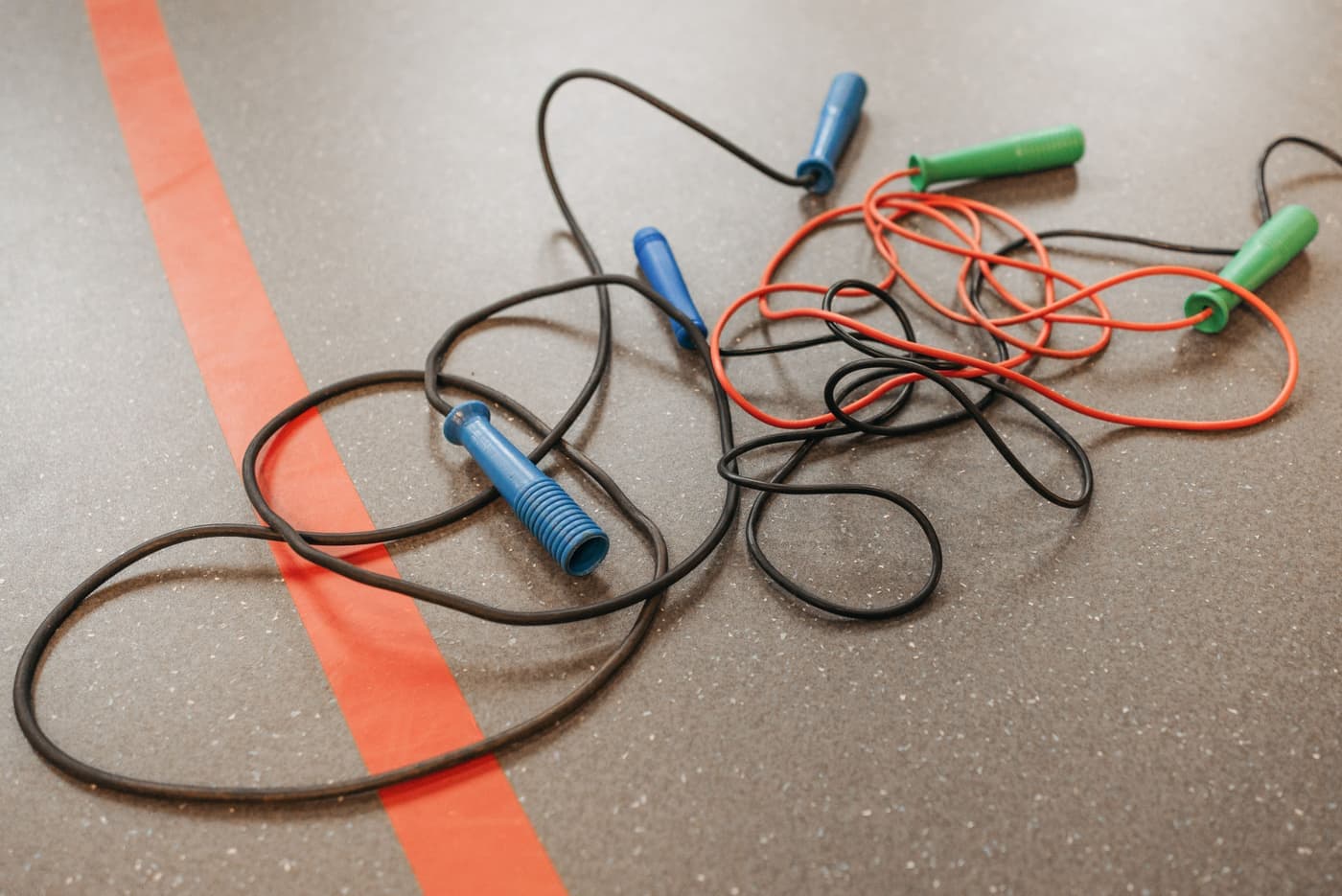
One rope with sealed ball bearings and an adjustable cable, and — if anyone lives below you or your floor is tile or concrete — a mat. That is the entire starter kit, and it is the cheapest useful purchase in this whole site. A rope that spins properly is a different object from the plastic-handled one in a school gym cupboard: the handle stays still while the cable turns, so the rope goes where you put it instead of wrapping around your ankles.
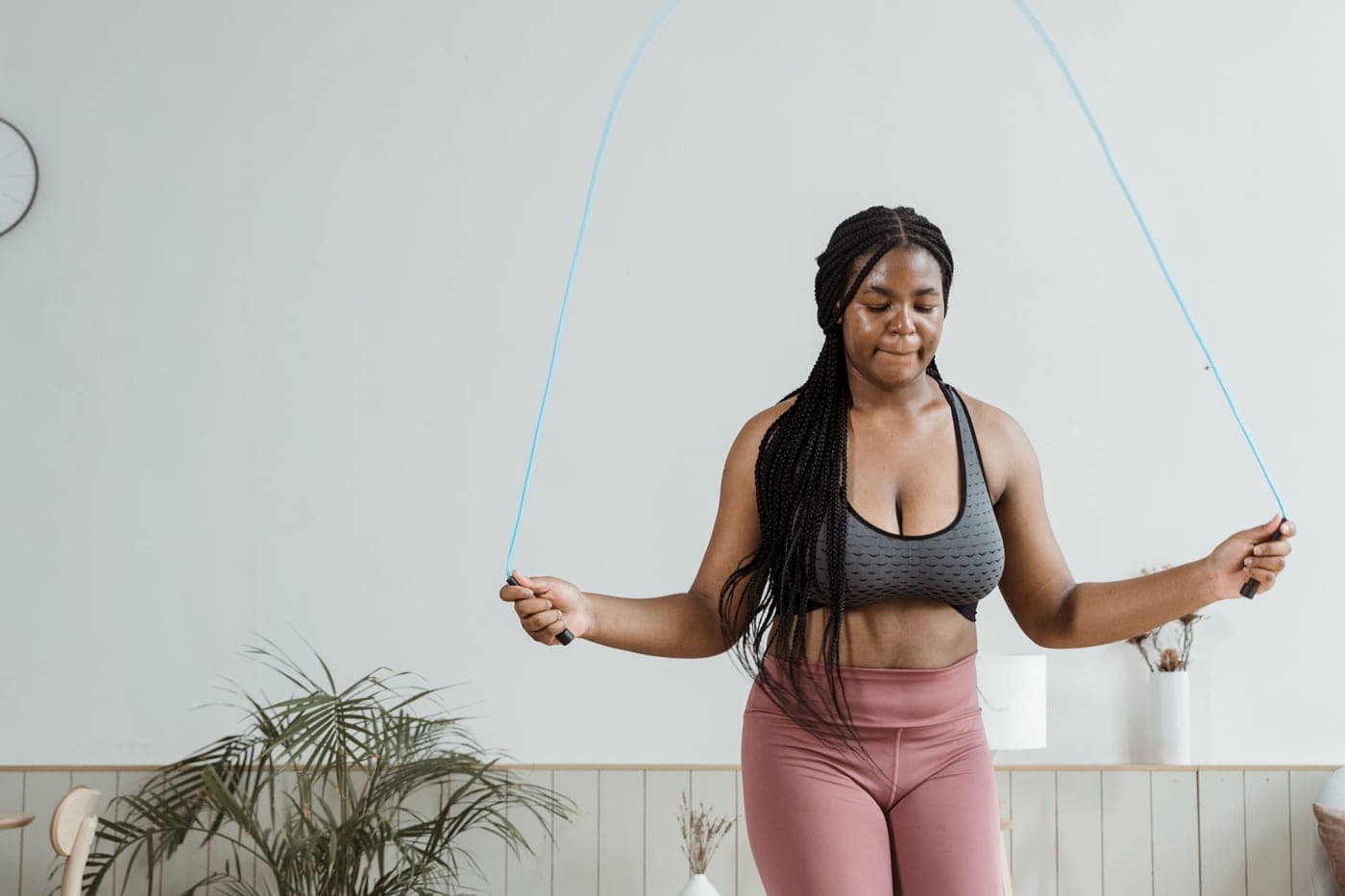
Length is the one thing people get wrong, and it is free to fix. Stand on the middle of the cable; the handles should reach roughly your armpits for general skipping, or your lower chest once you are fast and efficient. Every rope worth buying adjusts, so buy long and cut or clamp down. The length chart by height gives the starting number for your height and then the adjustment as you improve.
How the category divides
There are three kinds of rope and they are not interchangeable. Speed ropes use a thin steel or coated cable and spin fast — they are for double-unders, boxing-style footwork and anyone who wants volume. Weighted ropes put the weight either in the handles or in a heavier cable; the cable version is the one that actually changes the workout, because you feel the rope in your shoulders and forearms for the whole session. Beaded and PVC ropes are slower, more forgiving, and much better for learning — the rope has enough mass to tell you where it is, and the feedback matters when you are missing every third rep.
If you are buying one rope for everything, a coated speed cable in a medium thickness does the widest range of jobs. If you are buying two, it is a speed rope and a heavy cable. The speed vs weighted comparison lays out where each one is actually better rather than just different.
What decides the price
Three things, and only three. The bearing — sealed cartridge bearings at both ends spin smoother and last far longer than a bushing or a plastic swivel, and this is most of what you pay for. The cable — coated steel survives concrete for a season; bare wire is faster and dies faster; PVC is cheap and forgiving. The handles — length, knurling and balance, which sound like marketing until you have used a rope whose handles are too short to hold properly.
Beyond that, the premium is paid in packaging and interchangeable cable systems. Those are genuinely useful if you want one handle set for both a speed cable and a heavy one, and irrelevant otherwise.
The mistake almost everyone makes
Skipping on a bare hard floor. It destroys the cable within weeks — the coating wears through where it strikes — and it is the reason the neighbor downstairs eventually says something. A mat solves both problems at once and costs less than the rope. If you are upstairs, read how to jump rope in an apartment before your first session, not after the first complaint.
The second mistake is going too fast too early. Skipping is a skill; the first two weeks should be slow, with the rope barely clearing the floor and the elbows tucked in. People who start by attempting double-unders spend a month whipping their own shins and conclude they are bad at it.
What a rope does and does not replace
It is genuinely good aerobic conditioning at a fraction of the space and impact of running, and it builds calf and foot stiffness that transfers to almost everything athletic. It does not build the legs the way hills or a sled does, and it will not load your posterior chain at all. Rope vs running is the honest version of that comparison, including the cases where running wins outright.