One bell, one corner
A single kettlebell is the most training a small space can buy per square foot. It covers the hinge (swings), the squat (goblet squats), the press, the row, the carry and a genuine conditioning session — the entire half of the body that a pull-up bar cannot touch. It occupies about two square feet standing in a corner and it is the only loaded implement on this site that a renter can realistically use.
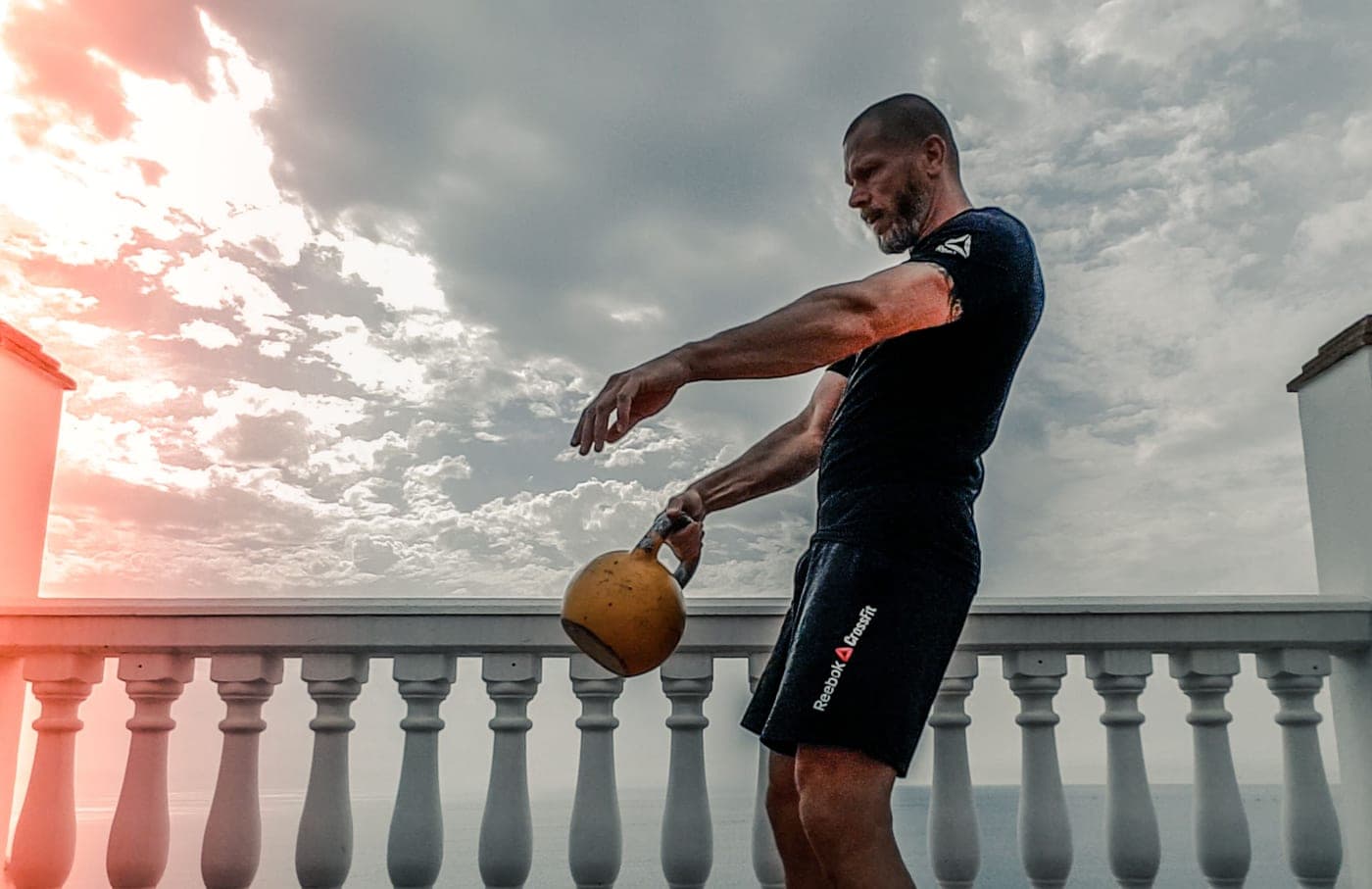
The decision that matters is the weight, not the brand, and most people buy too light. A general starting point for an untrained adult man is 16 kg (35 lb) and for an untrained adult woman 8 to 12 kg (18 to 26 lb) — heavy enough that the swing teaches you the hinge, because a bell that is too light gets muscled with the arms and never clicks. The sizing page goes movement by movement, because the right weight for a swing and for a press are not the same number.
Cast iron or competition
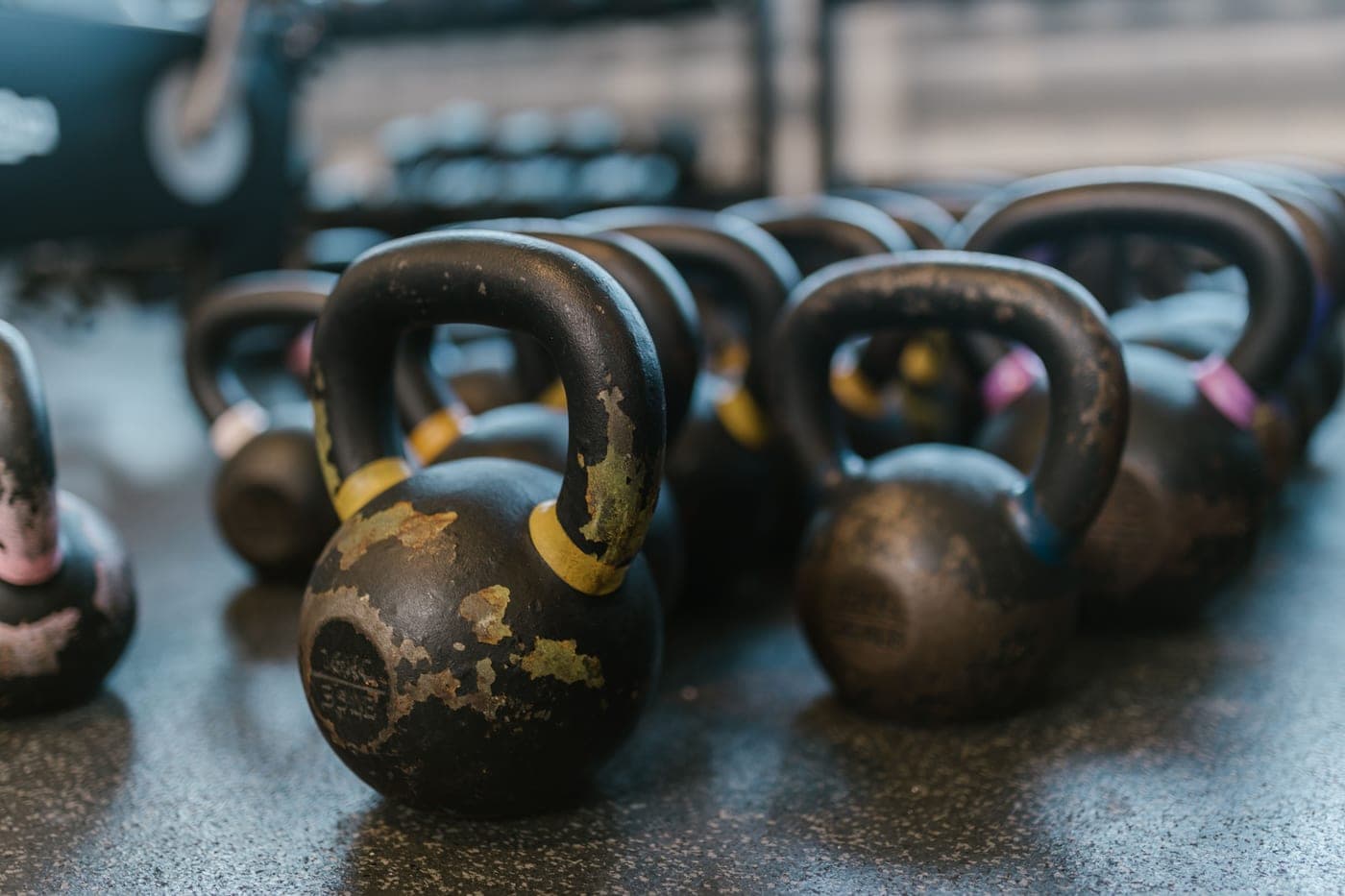
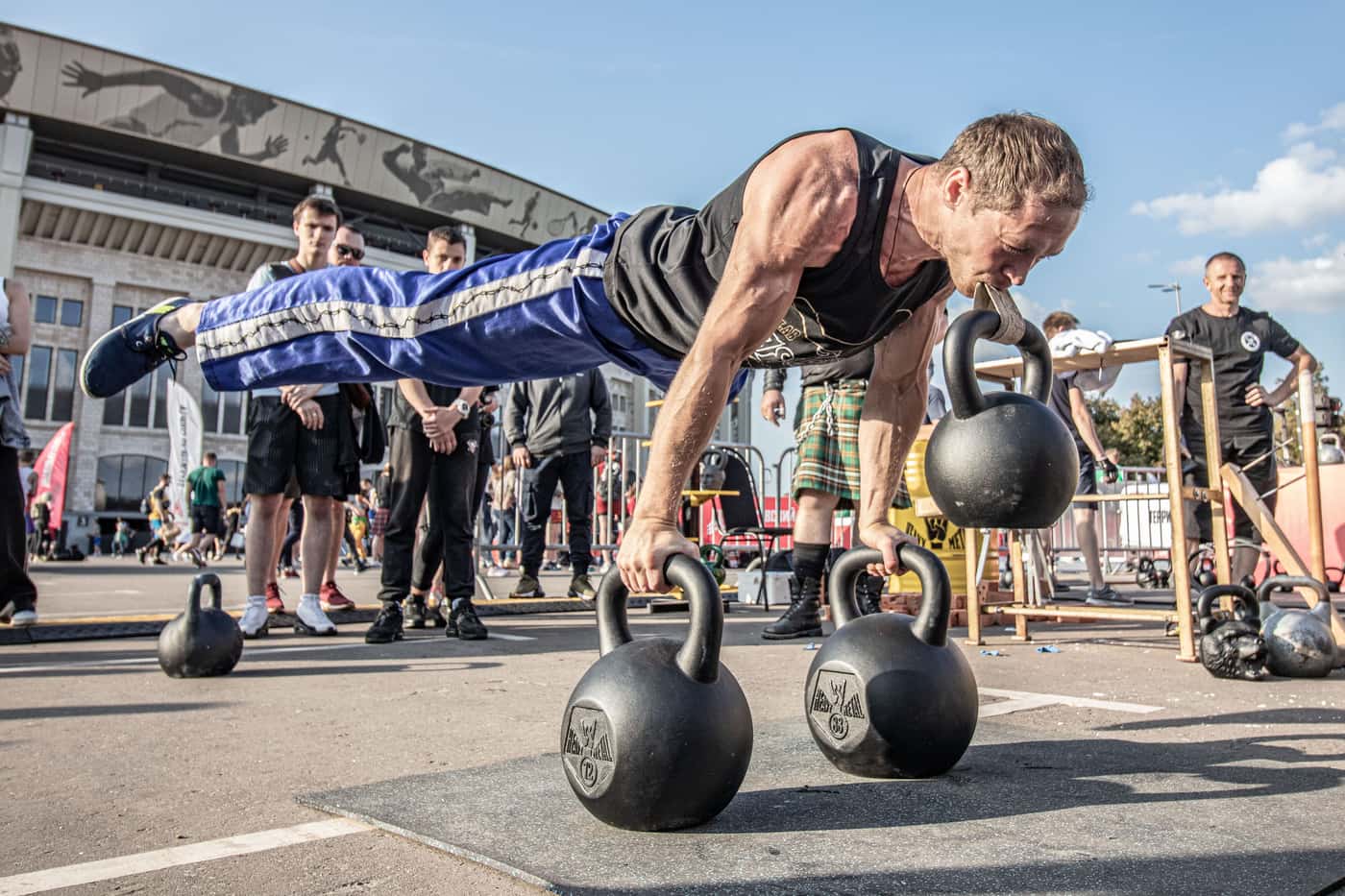
Cast iron bells grow physically larger as they get heavier, and the handle thickens with them. That is fine, and it is what most home gyms own. Competition bells are all the same size and handle diameter regardless of weight, which means your technique does not change when you move up and the rack position stays identical — worth real money if you intend to own three or four bells, and irrelevant if you will own one. The comparison covers handle diameter, finish and why powder coat beats paint.
Adjustable bells are the third option and they solve a real problem — the cost and floor space of owning 12, 16, 20 and 24 kg — at the cost of bulk, a less pleasant handle, and a mechanism you have to trust over your own head. For a small apartment where one bell will not be enough and four will not fit, they are genuinely the right answer; the picks cover which mechanisms hold up.
What decides the price
The handle above everything: diameter, smoothness, and whether the casting seam has been finished. A rough seam tears hands during swings and cannot be fixed. The finish — powder coat grips chalk well and lasts; painted bells go slick and chip; vinyl is quiet and floor-friendly but the coating is what fails first. The casting — single-piece gravity casting has no weak joint between handle and bell. Beyond that you are paying for accuracy of weight and for brand.
Training on a floor you do not own
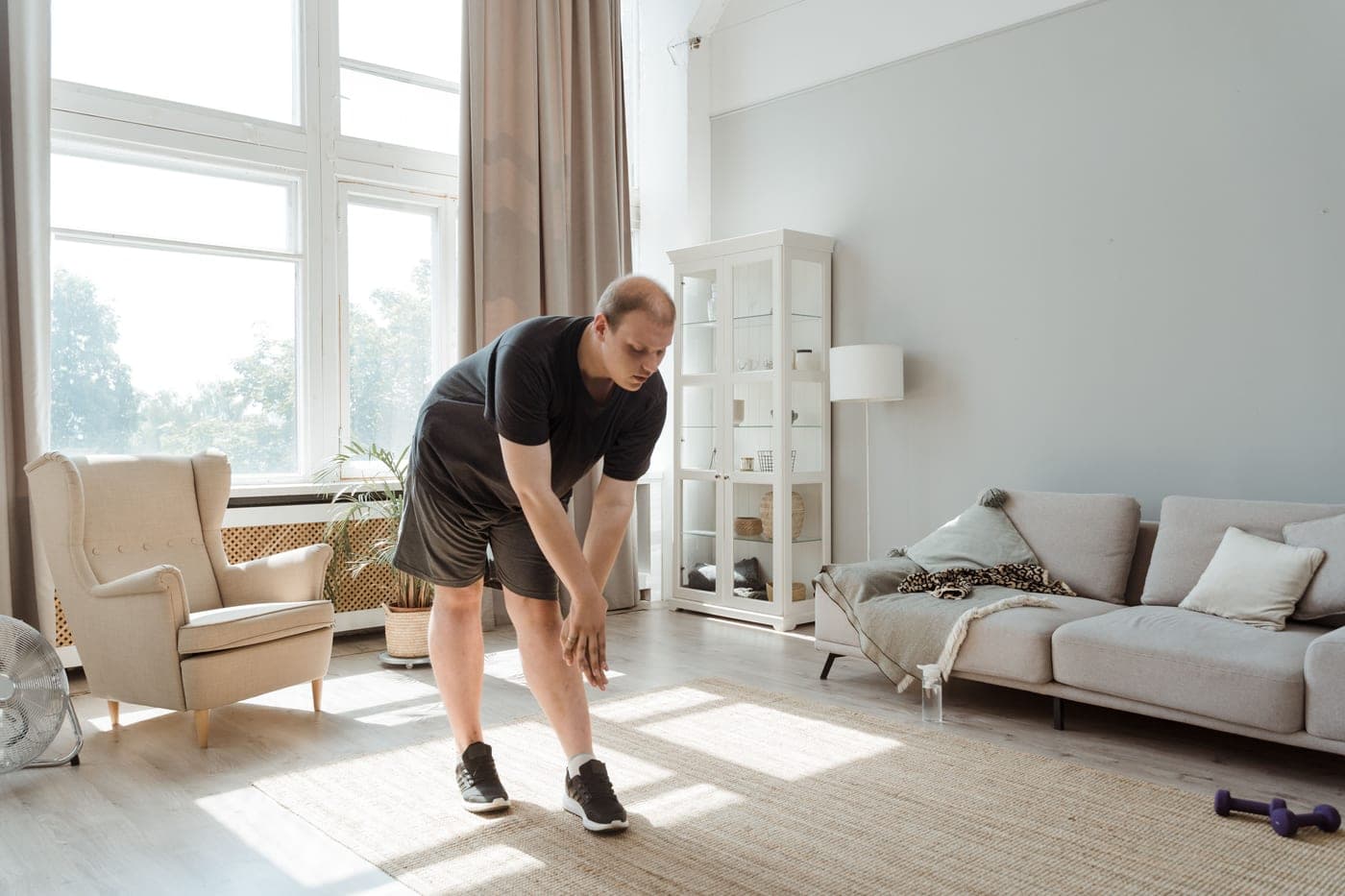
The rule in an apartment is simple: you never drop the bell. Swings are set down at the end of a set, cleans and snatches are controlled to the floor, and anything that requires releasing the bell does not belong indoors. With a mat under the working area, kettlebell training is one of the quietest things you can do — there is no impact at all, unlike skipping or jumping. Kettlebells in an apartment goes through the movements one by one and names the ones to leave out.
How many bells you actually need
One, for at least the first few months, and this is the single most useful thing to know before you start shopping. A bell that is right for swings is usually too heavy to press and too light to be a challenge on carries — but a program built around one bell simply adjusts the reps instead of the weight, and works fine. The second bell, when it comes, should be a meaningful jump: 4 kg heavier for lighter starters, 8 kg for heavier ones. Two bells four kilos apart is a common and expensive mistake, because the lighter one stops getting used within a month.
Storage is worth a thought before delivery day. Bells do not stack, they do not hang, and a 24 kg bell is not something you move casually — decide where it lives before it arrives, and put a mat under that spot.
Where to start
Buy one bell at the weight the sizing page gives you, learn the swing properly before anything else, and run a single-bell session twice a week for a couple of months. Add a second, heavier bell only when the first one has stopped being challenging for swings — which for most people is around six months, not six weeks.