Guide · Training
Pull-up progression: 1 rep to 10, and what comes after
The first rep is a different problem from the fifth, and the fifth from the tenth. Here is the rep scheme for each stage, the volume that builds them, and the point at which you stop adding reps and start adding weight.
Rope & Rep is reader-supported. Product links go through our affiliate resolver and we may earn a commission from qualifying purchases at no cost to you. Prices are the retailer's and change — every button opens the live price on Amazon rather than showing a stale number.
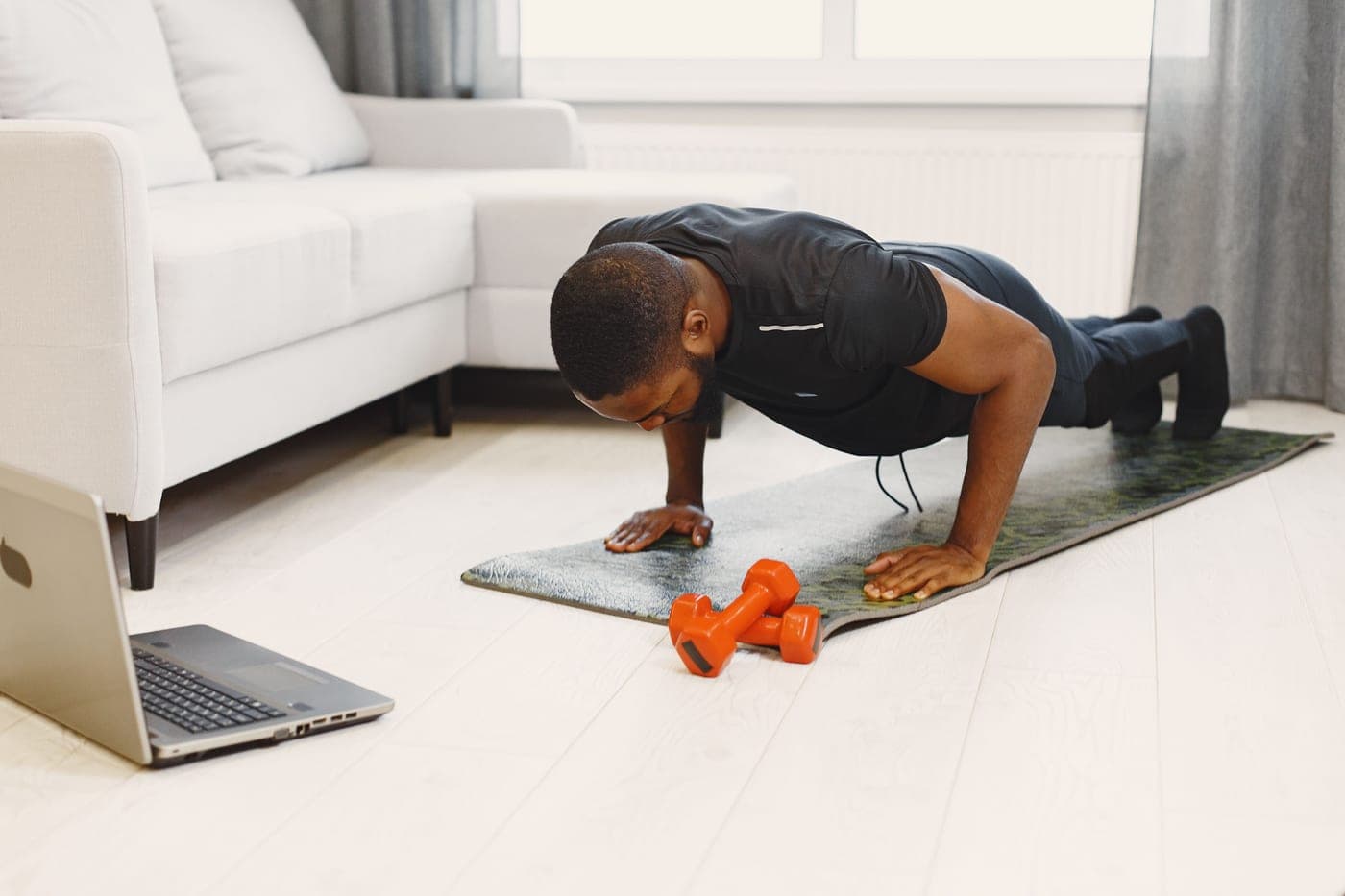
A person mid pull-up on a bar in a home gym. Licensed stock photograph of the category — not the specific product.
Stage 1 — one to three reps
At one rep, every set is a max attempt, and max attempts are a terrible way to build volume. The fix is frequency at very low intensity: a single rep, several times a day, every day you pass the bar. Two or three reps per visit, five or six visits, never anything close to failure. People call this greasing the groove, and it works here because the limiting factor at one rep is as much coordination as it is muscle — the brace, the shoulder position, the timing of the pull.
Keep one structured session a week alongside it: four sets of three negatives, and rows. If you are not here yet, the first-pull-up plan is the page you want.
Stage 2 — three to six reps
This is where clusters earn their reputation. Instead of three sets of three with three minutes rest, do three reps, rest 30 seconds, three reps, rest 30 seconds, for five rounds. Same reps per set, far more total reps, and every rep still fast and clean because the fatigue never accumulates enough to slow you down. Twice a week, with a day between.
| Day | Work | Volume |
|---|---|---|
| Monday | Clusters: 5 × (3 reps, 30 sec. rest) | 15 reps |
| Wednesday | Rows 4 × 10, band pull-aparts 3 × 15 | Pulling, horizontal |
| Friday | Clusters: 6 × (3 reps, 30 sec. rest) | 18 reps |
Stage 3 — six to ten reps
Now straight sets make sense again, because a set of six is a real training set rather than a max. The pattern that works: three straight sets of your comfortable number (typically two reps short of max), then one final set with a light band for another eight to ten. The band set adds volume your bare-bodyweight sets cannot reach without breaking down.
Watch weekly totals, not session heroics. Somewhere between 40 and 70 quality reps a week is where most people progress; more than that and elbows usually complain before the back does.
Stage 4 — past ten, add weight
Beyond ten reps you are training endurance more than strength, and the returns flatten. The standard move is to add load and go back to sets of five: a weighted vest, a dip belt with a plate, or a dumbbell between the feet. Five sets of five with a weight that makes the fifth rep hard, twice a week, and the bare-bodyweight number climbs on its own.
Start lighter than you think — ten pounds changes a set of five more than most people expect. The vests worth using for pull-ups page covers why a slim, tight vest beats a bulky one on a bar, and why some vests swing into your chin at the top of the rep.
Grip and elbow management
Two rules keep this progression running for years. Match pulls with rows — roughly equal weekly reps of vertical and horizontal pulling; the horizontal work is what keeps the shoulder blade moving properly and the elbow happy. Deload every fourth week — half the volume, same quality. Both are boring, both are the reason some people still have elbows at rep 15.
If your inner elbow starts talking, the usual culprits are too much volume added too fast, a grip that is too narrow, or a dead-stop yank out of the bottom. Rings, which let the wrist rotate, often resolve it — see rings vs a pull-up bar.
Grip variations, and what they actually change
| Grip | Emphasis | Use it when |
|---|---|---|
| Pronated (palms away) | Lats, mid-back — the standard | Default. This is the rep you are counting. |
| Supinated (chin-up) | More biceps, usually 1–3 reps stronger | Building volume when pull-ups are the limiter |
| Neutral (palms facing) | Easiest on elbows and shoulders | Elbow irritation, or high-volume weeks |
| Wide | More shoulder demand, shorter range | Sparingly. It is not a harder rep, it is a different one. |
What comes next
Once weighted fives are routine, the interesting next step is usually not more weight — it is the muscle-up, which needs a high pull, a transition and a dip, and turns the bar or rings into a much longer project.
Picks
The gear each stage needs
A bar you can hang volume on without checking the frame, a heavier band for the back-off sets, and — once ten reps are routine — something to add weight with.

Key specs
- Mounting
- Wall studs; 14 or 26 in. projection
- Bar
- 50 in. wide, 46 in. usable, 1.25 in.
- Rated load
- 700 lb (properly installed)
Scores · editorial, out of 10
- Fit & clearance (door, ceiling, depth)
- 7
- Reversibility (no drill, no marks, takedown)
- 3
- Rated load & build
- 10
- Grip options
- 10
- Value
- 8
Pick 1 · Pull-up bars
REP Fitness Wall-Mounted Multi-Grip Pull-Up Bar
REP Fitness
The wall bar with the most grips: 46 in. of usable 1.25 in. bar with neutral, close, wide and angled handles, mountable at 14 or 26 in. from the wall, rated 700 lb into studs.
Best for
A garage or basement wall where you can hit two studs and want every grip
Pros
- Traditional, neutral, close, wide and angled grips on one bar
- Two projection options — 26 in. lets you swing for kipping or muscle-ups, 14 in. saves space
- 700 lb rating with a 2 in. back bar; nonslip powder coat
Cons
- Needs lag bolts into two studs — not a rental-friendly install unless the landlord agrees
- At 50 in. wide it takes real wall space; check the stud spacing matches before ordering
Specs from REP Fitness — Wall-Mounted Multi-Grip Pull-Up Bar (dimensions, projection, rating).
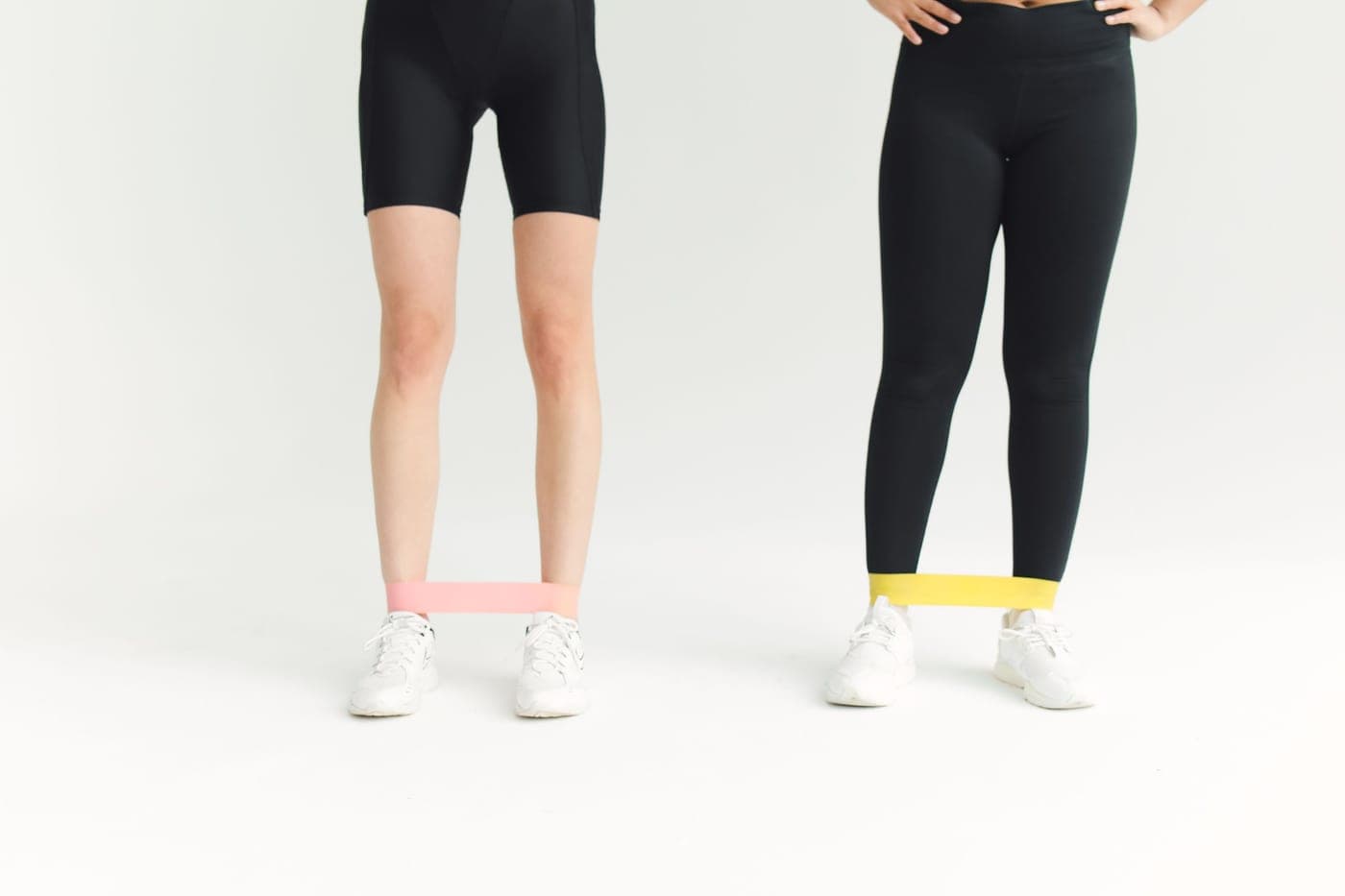
Key specs
- Length
- 41 in. loop, 4.5 mm thick
- Assistance
- #0 2–15 lb to #7 120–300+ lb
- Sizes
- 9 graded bands
Scores · editorial, out of 10
- Assistance range
- 10
- Material & safety
- 9
- Sizing clarity
- 8
- Bar compatibility
- 10
- Value
- 6
Pick 2 · Assistance bands
Serious Steel Assisted Pull-Up Bands
Serious Steel Fitness
Nine graded 41 in. bands from 2–15 lb up to 120–300+ lb, sold singly or in sets — the finest steps between assistance levels of any band line here.
Best for
Small, precise steps down in assistance, or a very light finishing band
Pros
- Nine sizes — the #0 orange (2–15 lb) is the lightest true pull-up band you can buy
- Sold individually, so you only buy the step you need next
- Layered latex construction; used as the reference band by several gyms
Cons
- Nine near-identical colors across brands is confusing — go by the number, not the color
- Individually they cost more than a bundled set from a house brand
Specs from Serious Steel Fitness — 41 in. Latex Resistance Pull Up Bands (sizes, resistance).
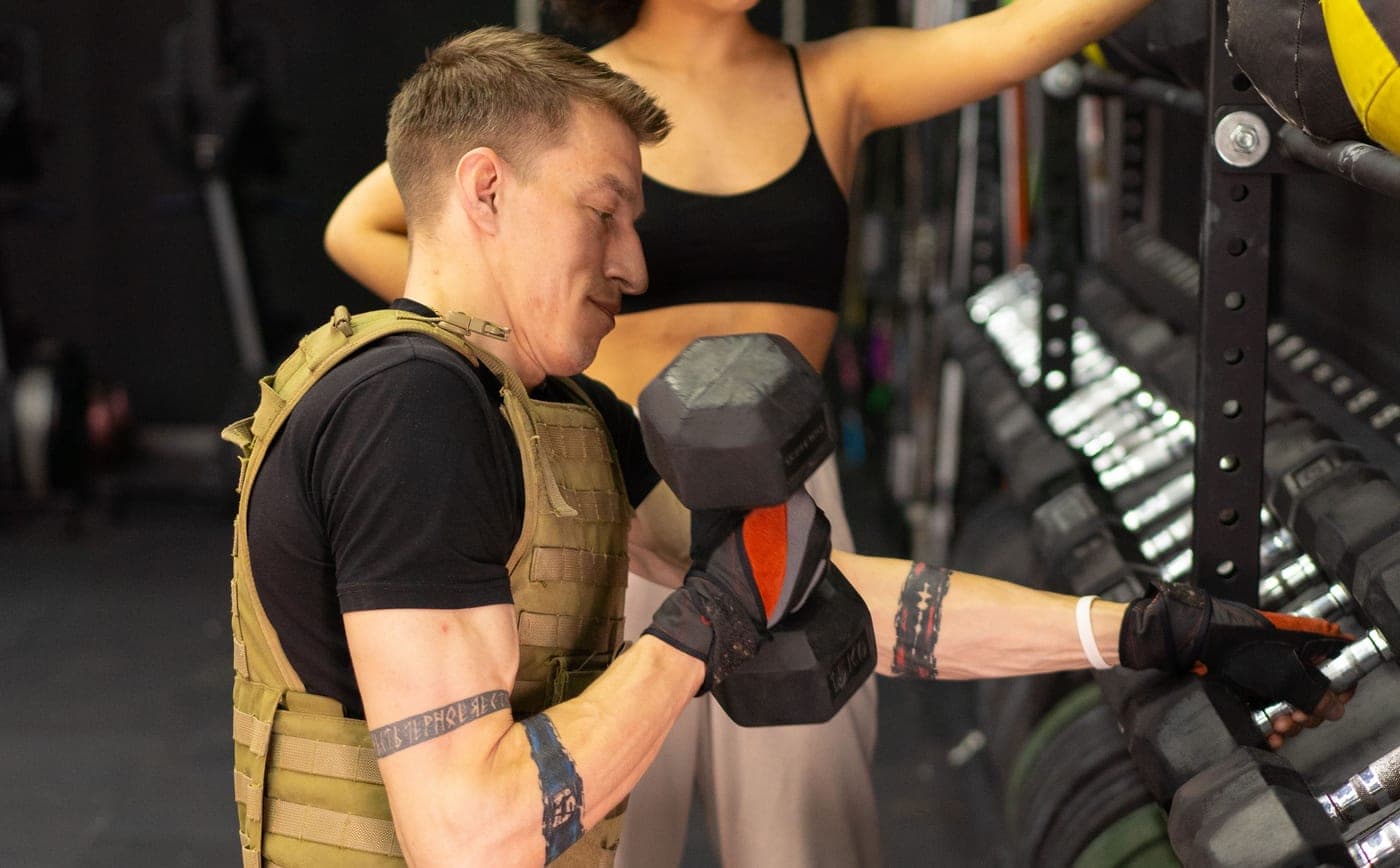
Key specs
- Weights
- 12–140 lb versions, removable bags
- Fit
- Chest 28–48 in., quick-release buckles
- Shell
- 1000D nylon
Scores · editorial, out of 10
- Fit for pull-ups (stays put)
- 9
- Adjustability of load
- 9
- Durability
- 8
- Value
- 9
Pick 3 · Weighted vests
RUNFast/RUNmax Adjustable Weighted Vest (12–140 lb)
RUNFast
The classic pocket vest: sold from 12 lb to 140 lb with iron weight bags in four front and four back pockets, 1000D nylon, chest 28–48 in., optional shoulder pads — buy the 20 or 40 lb for pull-ups.
Best for
Weighted pull-ups and dips on a budget, with weight you can take out in 2.5 lb steps
Pros
- Weight distributes front and back, so it hangs straight on a pull-up
- Remove bags to progress from 10 lb up to the vest's rating
- Lifetime warranty; shoulder-pad option for dips
Cons
- Bulky; the 40 lb+ versions bounce on running
- One vest per weight class — a 20 lb vest can't become a 40 lb
Specs from RUNFast — 12–140 lb Weighted Vest listing (weights, pockets, fit, shell).
FAQ
Questions readers ask
How do I go from 1 pull-up to 10?
Three stages: frequent single reps until three is easy, cluster sets of three with short rests to five or six, then straight sets plus a banded back-off set to ten. Expect three to six months, not three weeks.
How many pull-ups should I do a week?
Most people progress on 40–70 quality reps a week spread over two or three sessions, stopping short of failure. Elbow and shoulder tolerance, not muscle, is usually what caps that number.
When should I start doing weighted pull-ups?
When you can do about ten strict reps with good form. Past that, adding reps mostly builds endurance; adding weight and dropping to sets of five keeps building strength.
Are chin-ups easier than pull-ups?
For most people yes, by one to three reps, because the biceps contribute more in a supinated grip. They are a useful way to add pulling volume, not a substitute for the pronated rep.
Related
Keep reading
- How to get your first pull-up
The stage before this one.
- Muscle-up progression
Where the ladder goes after weighted reps.
- Best wall-mounted pull-up bars
The upgrade weighted work needs.
- Best weighted vests for pull-ups
Adding load without a dip belt.
- Best resistance bands for pull-ups
Band sets for back-off volume.
Sources